
OBITUARY
Harlan D. Rogers
September 17, 1943 – April 20, 2026
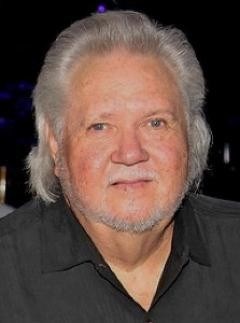
Born on September 17, 1943, in Oklahoma City, Oklahoma, Harlan was the son of Haskell and Maxine Rogers. From an early age, he developed a deep love for music that would shape the course of his life. He attended the University of North Texas, where he further pursued his passion, though his career would ultimately be forged not in classrooms, but on stages, in studios, and alongside some of the most accomplished musicians of his generation.
Harlan was a “musician’s musician”—best known for his unmistakable command of the Hammond B3 organ. His playing carried both technical brilliance and soul, rooted in gospel, jazz, and blues traditions. In 1967, he was a founding member of the Third Avenue Blues Band, which recorded the live album “Fantastic! Third Avenue Blues Band in 1970. Alongside drummer Bill Maxwell, guitarist Hadley Hockensmith, saxophonist Bob Beasley, trumpeter Roger Villines, and frontman / Vocalist Harold Jones. Harlan helped shape a sound inspired by the great organists of the era.
His career expanded nationally and internationally as he toured and recorded with the legendary Andraé Crouch, contributing to the early years of contemporary gospel music. Following that chapter, Harlan became a core member of the pioneering jazz-funk group Koinonia, formed by bassist Abraham Laboriel. Alongside world-class musicians including Alex Acuña, Justo Almario, Bill Maxwell, and Hadley Hockensmith, Harlan helped create a sound that blended faith, funk, and fusion at the highest level. These collaborators became more than bandmates—they became lifelong brothers.
Koinonia toured extensively, particularly across Europe, performing at major jazz festivals and building a devoted following. Their Los Angeles base at the iconic Baked Potato became a gathering place for some of the greatest musicians in the world, many of whom would sit in and perform alongside the band. Over the years, Harlan’s career also included recording, arranging, producing, songwriting, and singing. He contributed to numerous projects, including albums with Smitty Price for Maranatha Music’s Colours series, and worked with a wide range of respected artists.
In his own words, Harlan once described his life simply: “I loved music from an early age and I have been blessed to be able to work with some of the best musicians in the world and do what I love… God indeed has been very good to me.”
Beyond his musical achievements, Harlan was a man of faith who remained active in church music throughout his life. In his later years, he described himself as “semi-retired,” continuing to play at his local church in Texas when called upon.
Harlan also found joy in the quiet moments of life. He loved bass fishing—especially at Lake Fork—and often shared that passion through his personal reflections and videos. His appreciation for both music and the outdoors reflected a life lived with depth, gratitude, and simplicity.
He is survived by his loving wife, Theta Hall Rogers; his brother, Geary Rogers; and his son, Tony Rogers. He was preceded in death by his parents, Haskell and Maxine Rogers.
Harlan Rogers leaves behind a legacy not only of extraordinary musicianship, but of faith, humility, and gratitude. His influence lives on in the music he created, the musicians he inspired, and the lives he touched.
He will be missed and fondly remembered.
A memorial service celebrating Harlan's life and faith will be held in June. Service details will be shared in the coming weeks.
Show your support
Send a Gift
Add a Memory
Share Obituary
Get Reminders
Services
- Send Sympathy GiftsSEND
GIFTS SHARE OBITUARYSHARE
- GET REMINDERS
v.1.18.0